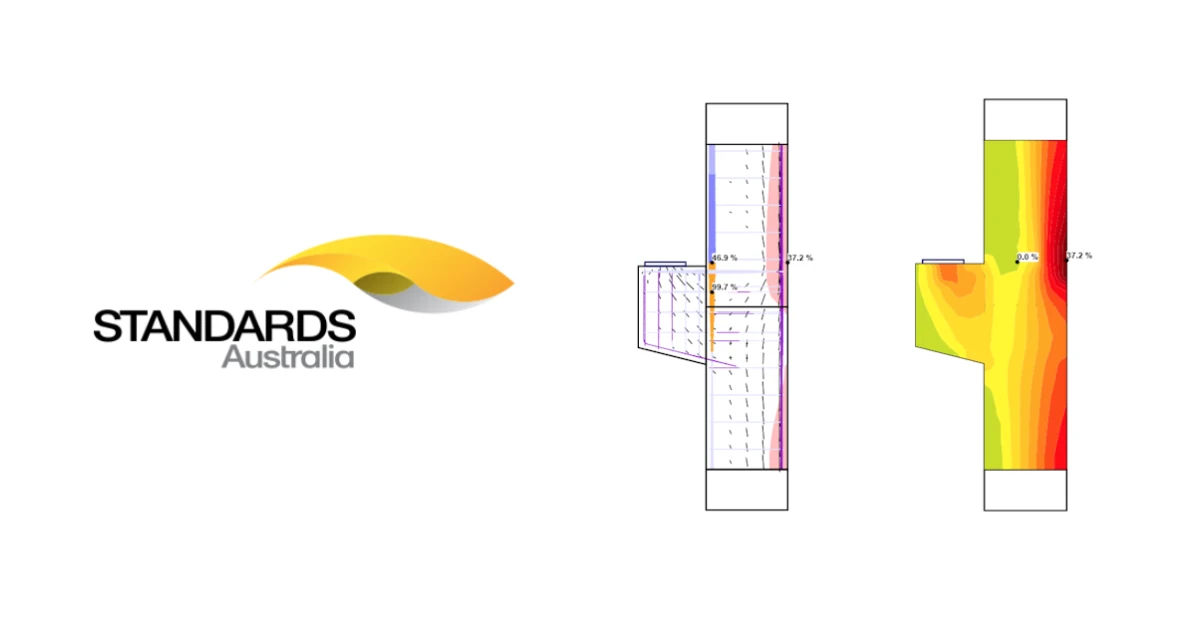


This integration ensures that engineers working with AS 3600 have the option to design discontinuity regions using CSFM. CSFM (Compatible Stress Field Method) is an innovative approach that allows engineers to move away from rough estimations and solve tasks using precise calculations. This provides Australian engineers with a modern alternative to the outdated Strut and Tie method, allowing them to efficiently design and assess walls and beams with openings, pile caps (in 2D), pier caps, diaphragms, anchoring (in 3D) and other discontinuity regions in concrete structures.
Learn more about the method implemented in IDEA StatiCa Detail and its practical applications in the article: CSFM explained.
Discontinuity regions
Users can utilize the full functionality of Detail (in 2D), adapted to AS 3600 terminology, material properties, and verification checks. The user interface aligns with Australian standards, making the design process more intuitive and ensuring that calculations follow local industry requirements.
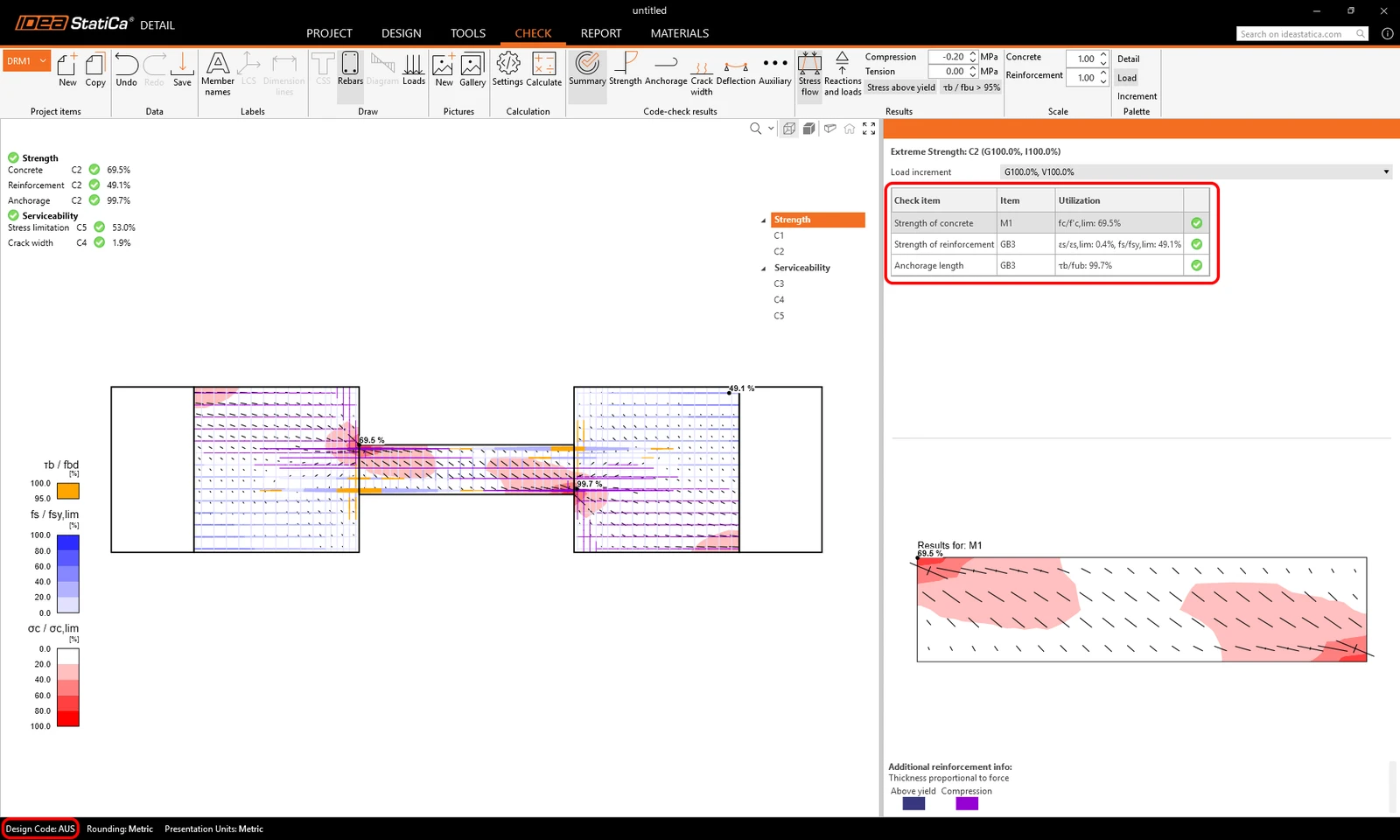
Key features
- Material Database – A built-in database includes concrete, reinforcement, and steel materials defined by AS 3600.
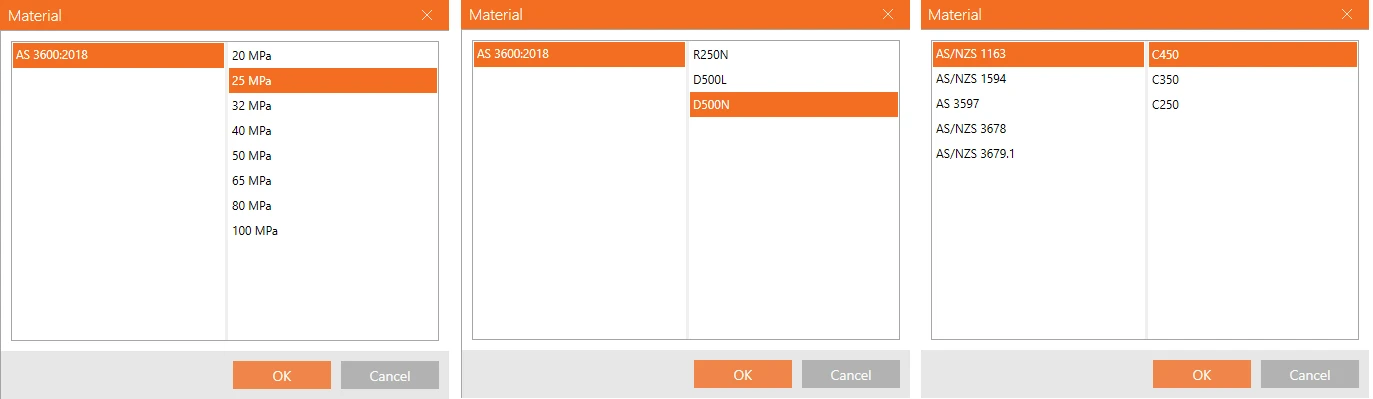
- Standardized Nomenclature – Variable names and labels throughout the application match AS 3600, ensuring clarity in design and verification.
- Refined Calculations to AS 3600
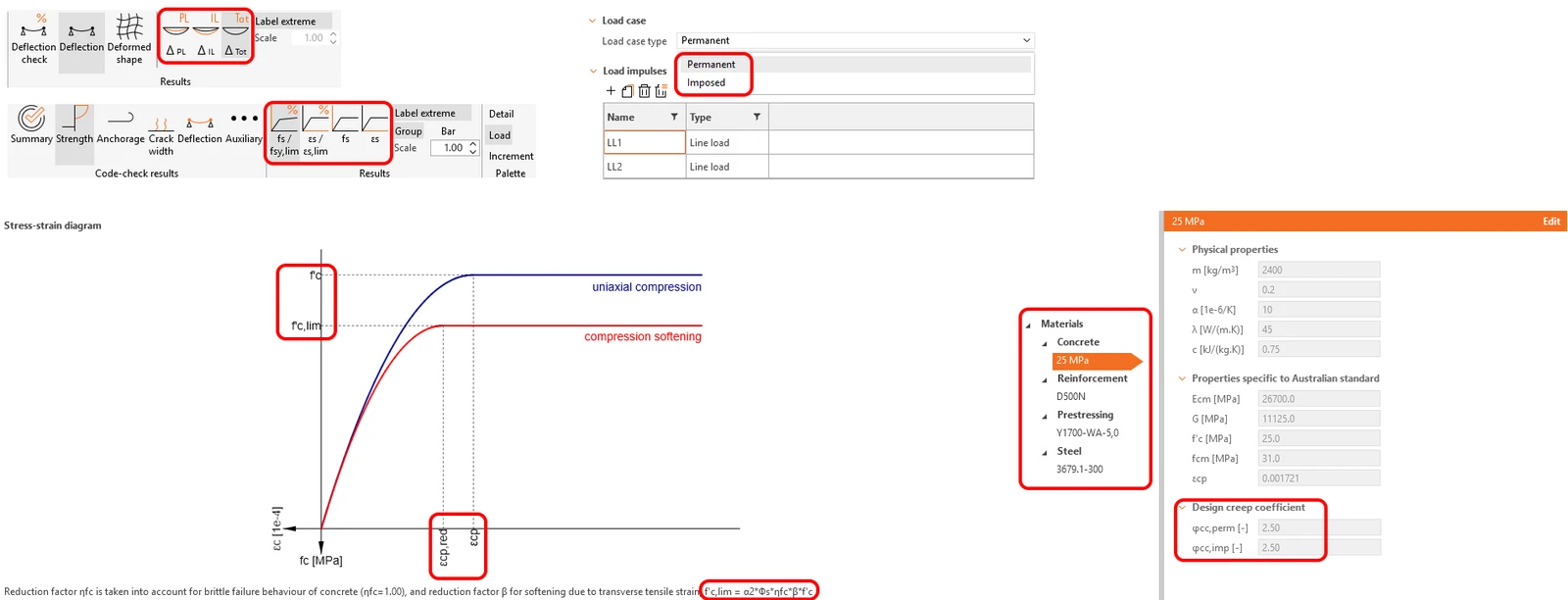
- Stress-strain diagrams for serviceability and strength, incorporating long-term effects using the design creep factor.
- Bond strength and B-factor calculations for anchorage springs, ensuring compliance with AS 3600.
Released in IDEA StatiCa version 25.0.
Prestressing
Prestressing has been fully implemented according to AS 3600:2018 in Detail 2D. A dedicated material database for wires, tendons, and bars has been added, along with project settings specific to prestressing such as stress increments, stress reduction, and design limits. The implementation includes anchorage zones and partially loaded areas with dispersion angles as defined by AS 3600, as well as a dedicated bond model for prestressing tendons.
All relevant verification checks are available, including strength, anchorage, stress limitations, and crack width, in full compliance with AS 3600.
All templates are also available, just like for the other codes.
Key features
- Material database for wires, tendons, and bars per AS 3600 Section 3.3 Properties of tendons.
- Project settings with prestressing-specific factors (increments, stress reduction, concrete/reinforcement stress limits).
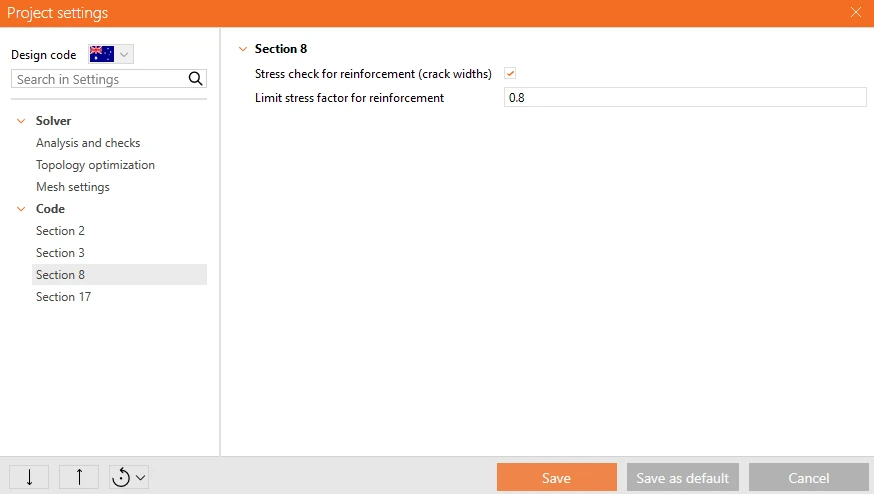
- Partially loaded areas (anchorage zones and point supports) with a 60° dispersion angle per AS 3600 chap. 8.1.4.
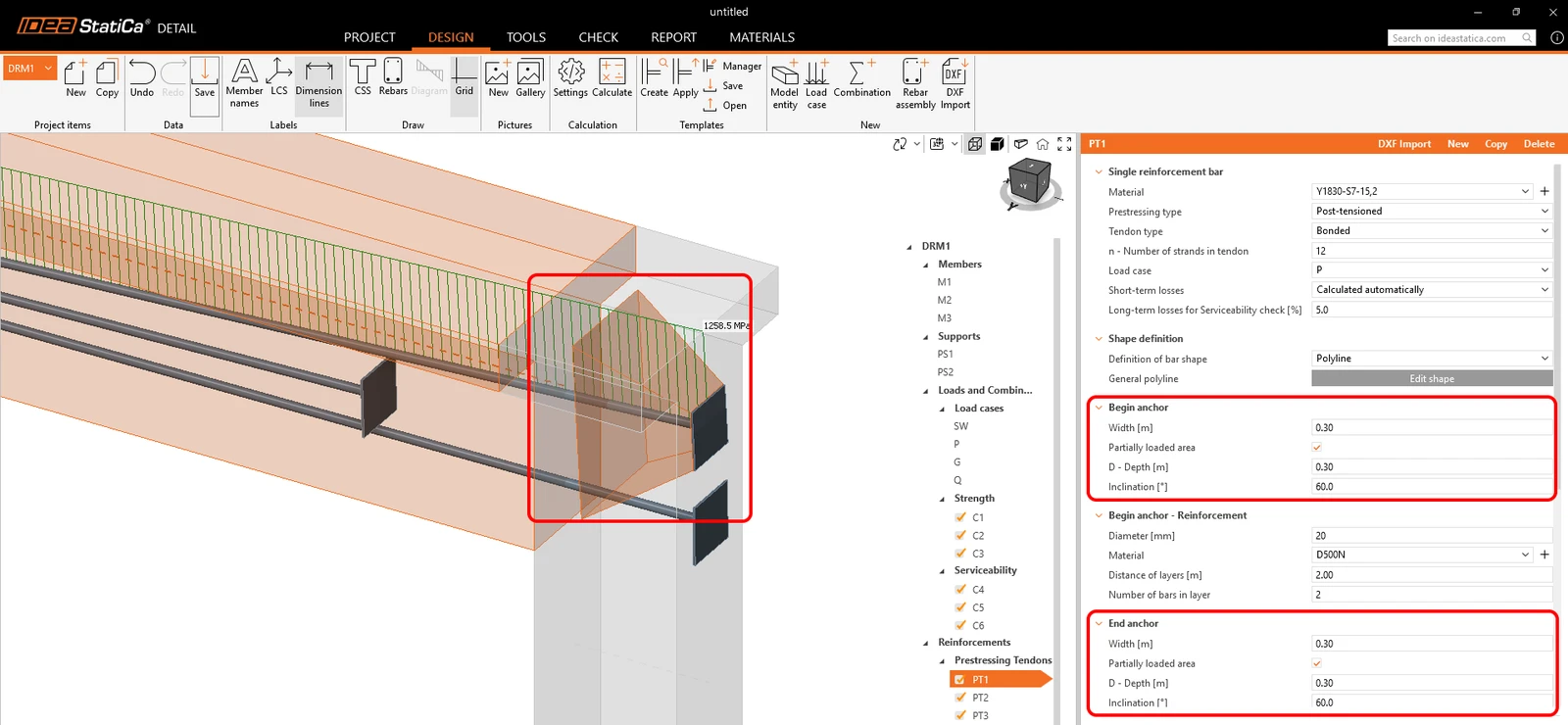
- Bond model for prestressing tendons, including neglecting bonds over 0.1 Lpt as required by the code, clause 13.3.2.
- Expanded results to include Strength, Anchorage, Stress limitation, and Crack width checks, with stress limitation checks aligned with AS 3600 sec. 3.4.3.3 (concrete) and sec. 8.6.2.2 (reinforcement).
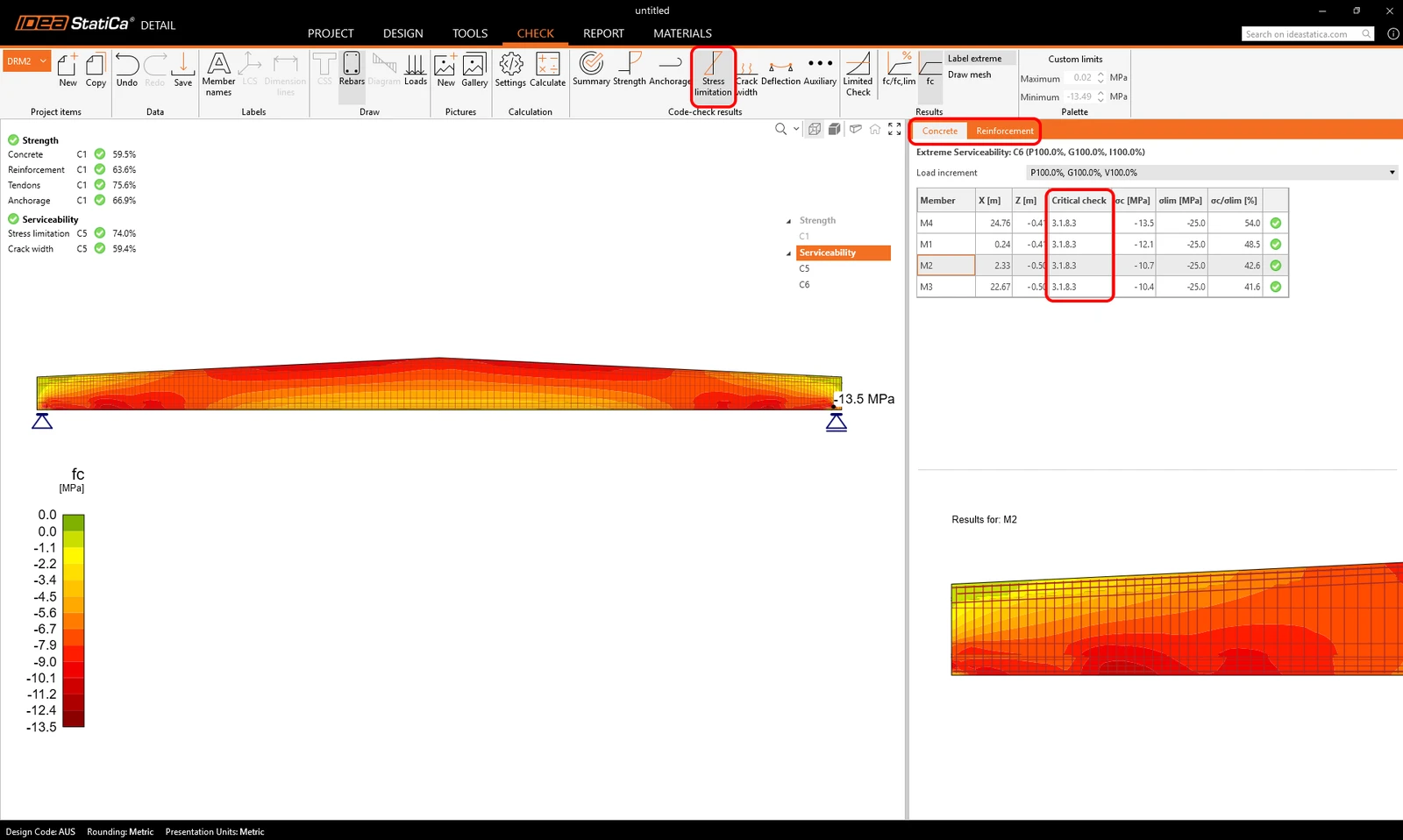
Released in IDEA StatiCa version 25.1.
Anchoring
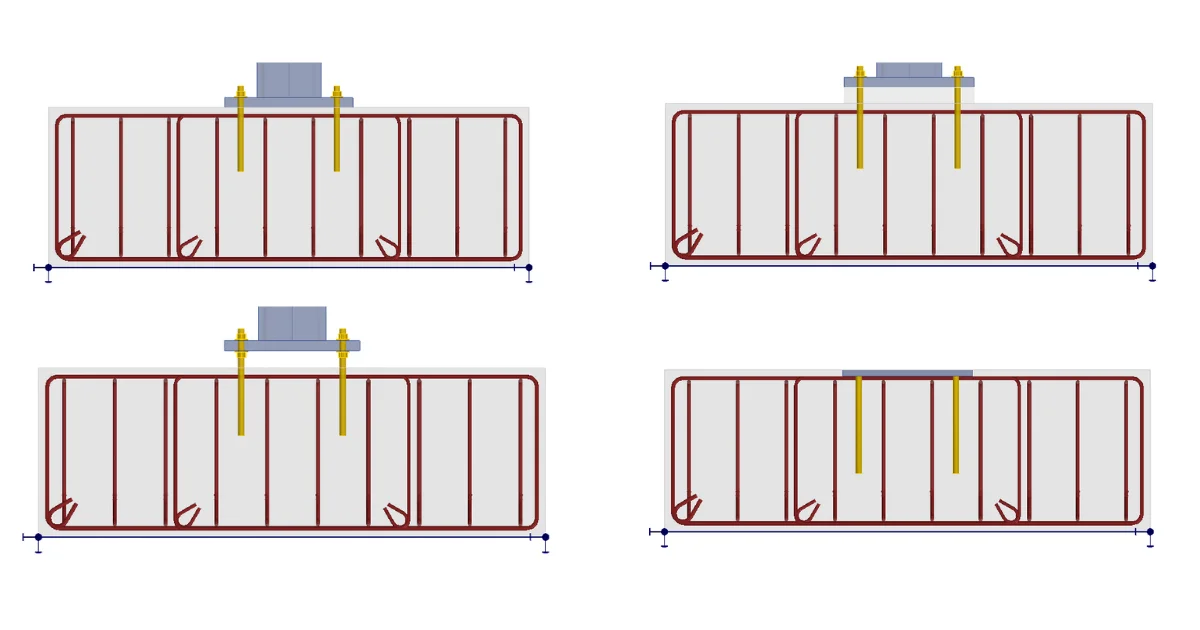
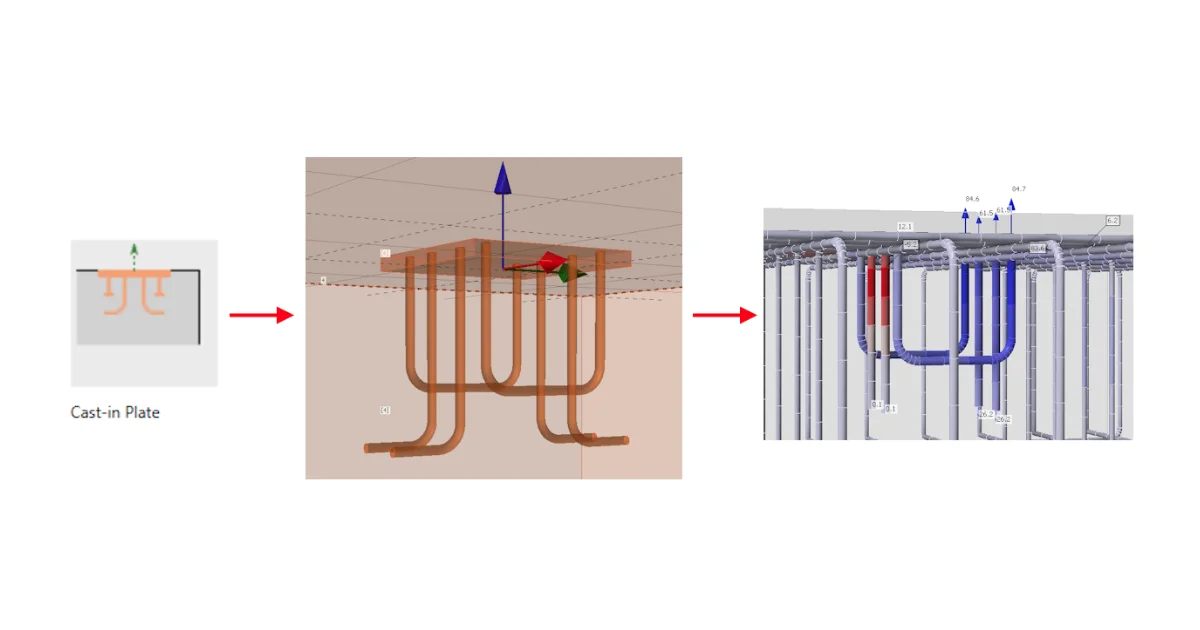
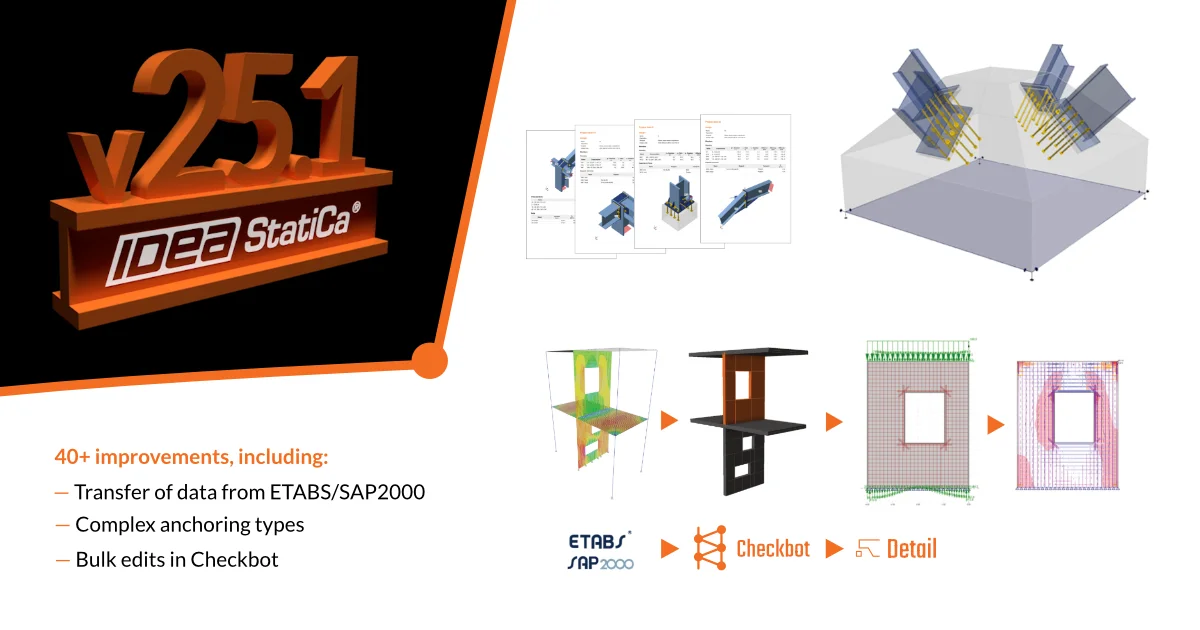
Anchoring functionality in Detail 3D is available fully in line with AS 3600. This eliminates the need for Australian engineers to approximate their designs using EN or ACI standards. The module includes an Australian-specific material and cross-section database, adjustments to reinforcement and bond behavior, and code settings reflecting local rules. All templates are available as for EN and ACI, with seamless exports from the Connection application.
Key features
- Database of Australian materials and cross-sections.
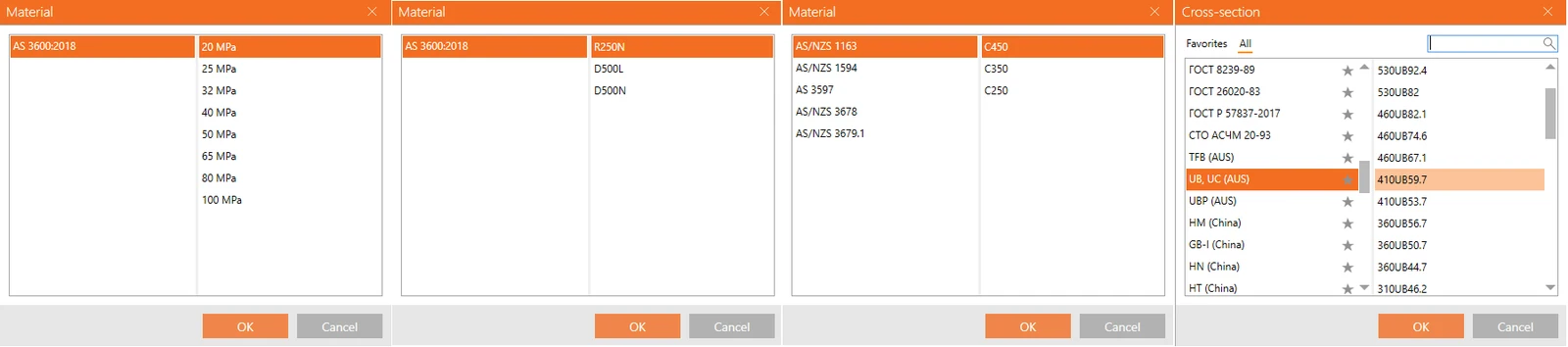
- Code settings to reflect local design rules.
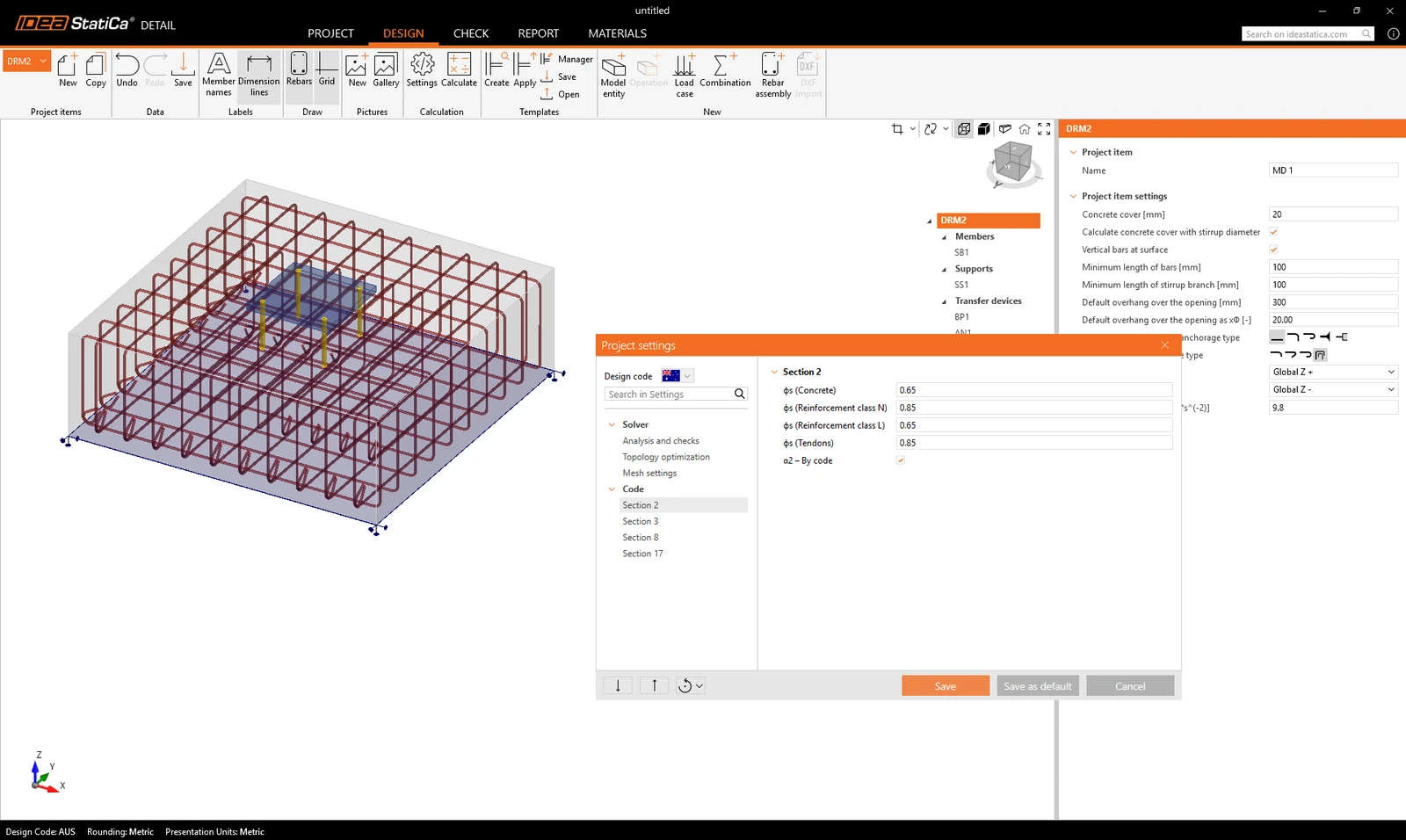
- Export from the Connection application into Detail 3D.
Released in IDEA StatiCa version 25.1.