Idea Statica
  • Steel
  • Concrete
  • BIM & Workflows
  • Support & Learning
  • Pricing
  • Company
  • Steel overview
  • Connection design
  • Member design
  • Parametric design
  • Steel case studies
  • Concrete overview
  • Walls and D-regions
  • Anchoring design
  • Concrete case studies
  • BIM Overview
  • Supported integrations
  • Checkbot
  • Viewer
  • APIs
  • Support Center
  • E-learning & certification
  • Blog
  • Downloads & Licensing
  • Plans
  • Free community tool
  • Enterprise customers
  • Students & educators
  • How much will you save?
  • About us
  • Contact
  • Research & development
  • Authorized resellers
  • Meet our customers
  • Career
  • Steel
    Steel overviewConnection designMember designParametric designSteel case studies
  • Concrete
    Concrete overviewWalls and D-regionsAnchoring designConcrete case studies
  • BIM & Workflows
    BIM OverviewSupported integrationsCheckbotViewerAPIs
  • Support & Learning
    Support CenterE-learning & certificationBlogDownloads & Licensing
  • Pricing
    PlansFree community toolEnterprise customersStudents & educatorsHow much will you save?
  • Company
    About usContactResearch & developmentAuthorized resellersMeet our customersCareer
14-Day Trial
14-Day Trial
  • Steel
  • Concrete
  • BIM & Workflows
  • Support & Learning
  • Pricing
  • Company

Subscribe to our newsletter

Company

  • About us
  • Partners
  • Careers
  • Patent

Resources

  • Customer projects
  • Case studies
  • Connection Library
  • Verification books

Legal

  • EULA
  • Privacy policy
  • California Privacy
  • TOS Viewer
  • Licensing

Help

  • Contact
  • Quote request
  • Resellers
  • Downloads
FacebookInstagramLinkedInYouTube

ยฉ IDEA StatiCa 2009-2026

Trusted and used worldwide by engineers, fabricators & consultants.

Support CenterKnowledge Base ArticlesThin-walled steel members
Thin-walled (cold-formed) members
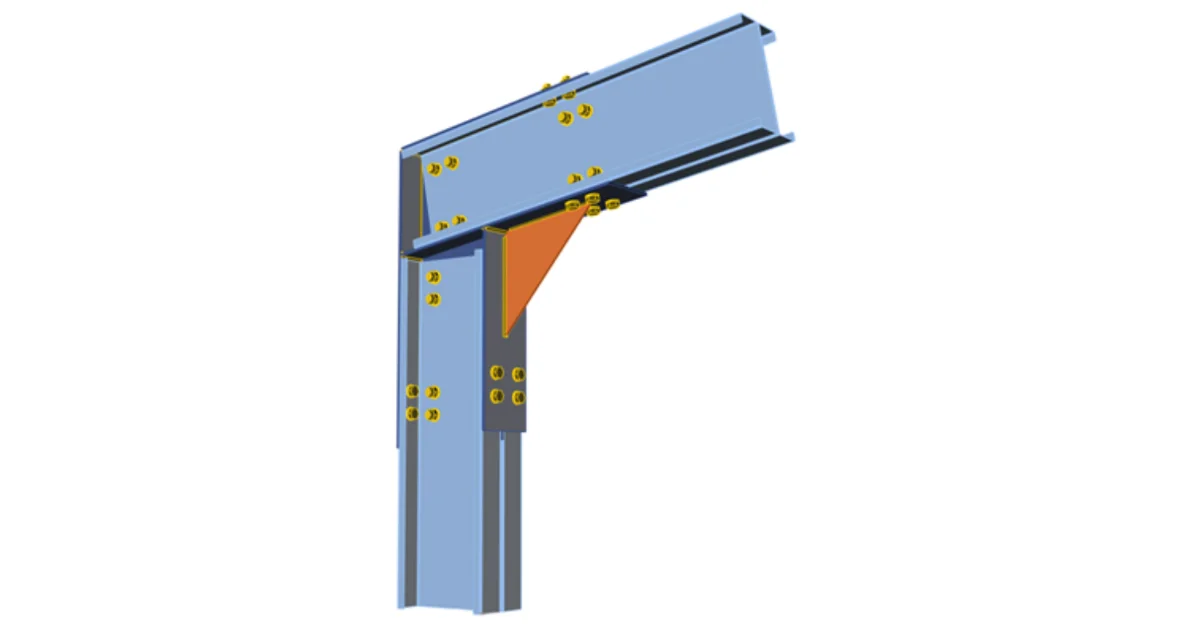
For thin-walled members, only geometrically nonlinear analysis with imperfections is suitable. Structural design of steel members in structural engineering software.
SteelConnection designKnowledge baseConnectionAISC (USA)

Thin-walled steel members

This article is also available in
ENCZDEESFRITPTNLHUROKRPLTHTRVIZH

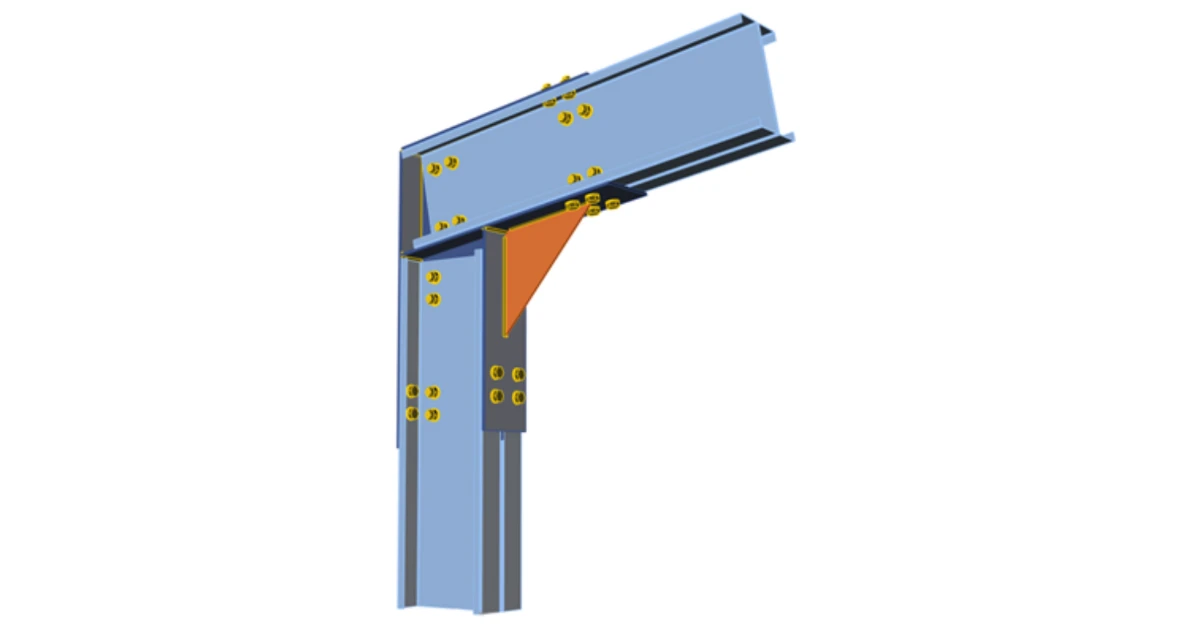
IDEA StatiCa Connection for design of joints of thin-walled members should be left only to experienced engineers. Buckling analysis is a must and each mode shape must be carefully analyzed.

Software IDEA StatiCa Connection is dedicated to the assessment of connections of hot-rolled members which are not significantly affected by buckling. The geometrically linear and materially non-linear analysis is performed because of its fast and stable calculation. However, this analysis is not sufficient for stability loss. If buckling may be a problem, performing a linear buckling analysis helps to detect dangerous areas and provide a factor for Eulerโ€™s bifurcation point, but this is still not enough for thin-walled members. For thin-walled members, only geometrically nonlinear analysis with imperfections is suitable.

If the user still decides to use IDEA StatiCa Connection software to check connections of thin-walled members, he should:

  • Perform linear buckling analysis and carefully evaluate each buckling shape, the first 5 presented buckling shapes might not be enough (How to increase the number of evaluated shapes)
  • Do not rely on the plasticity of steel plates and rather limit the von Mises stress to yield strength or even lower
  • Be aware that local buckling, which is not considered, can redistribute internal forces in components differently
  • Be aware that the stiffness of components may be different due to different failure modes or their combination.
  • Be aware that presented checks and detailing of components (e.g., bolts, welds) are the following guides for standard members. The checks for thin-walled members may vary, and then the provided checks are not correct.

The design of connections of thin-walled members is very case-specific, and no general guide can be provided. IDEA StatiCa Connection was not validated for this use.

Component checks โ€“ EN

In EN 1993-1-1 thin-walled members are defined as: โ€œClass 4 cross-sections are those in which local buckling will occur before the attainment of yield stress in one or more parts of the cross-section.โ€ The main part of Eurocode for steel is limited to members with material thickness t โ‰ฅ 3 mm. Chapter 4 โ€“ Welded connections apply only to a material thickness of t โ‰ฅ 4 mm. Therefore, the checks of components provided by software do not apply to cold-formed members with smaller thicknesses. Users should be aware of this and replace the checks with appropriate formulas from EN 1993-1-3 manually.

Analysis of hollow section joints should also be carefully performed for members which are out of the range of validity for welded joints โ€“ EN 1993-1-8 โ€“ Table 7.1. There are no guidelines for such joints, and the software results have not been validated.

Component checks โ€“ AISC

In Chapter A of AISC 360-16 there is a user note stating: โ€œFor the design of cold-formed steel structural members, the provisions in the AISI North American Specification for the Design of Cold-Formed Steel Structural Members (AISI S100) are recommended, except for cold-formed hollow structural sections (HSS), which are designed in accordance with this Specification.โ€ AISI S100 and AS/NZS 4600 provide formulas to determine the shear and tension resistance of the most common fastener types together with their range of application

Component checks โ€“ CISC

CSA S16-14 states in Chapter 1: โ€œRequirements for steel structures such as bridges, antenna towers, offshore structures, and cold-formed steel structural members are given in other CSA Group Standards.โ€

Related articles

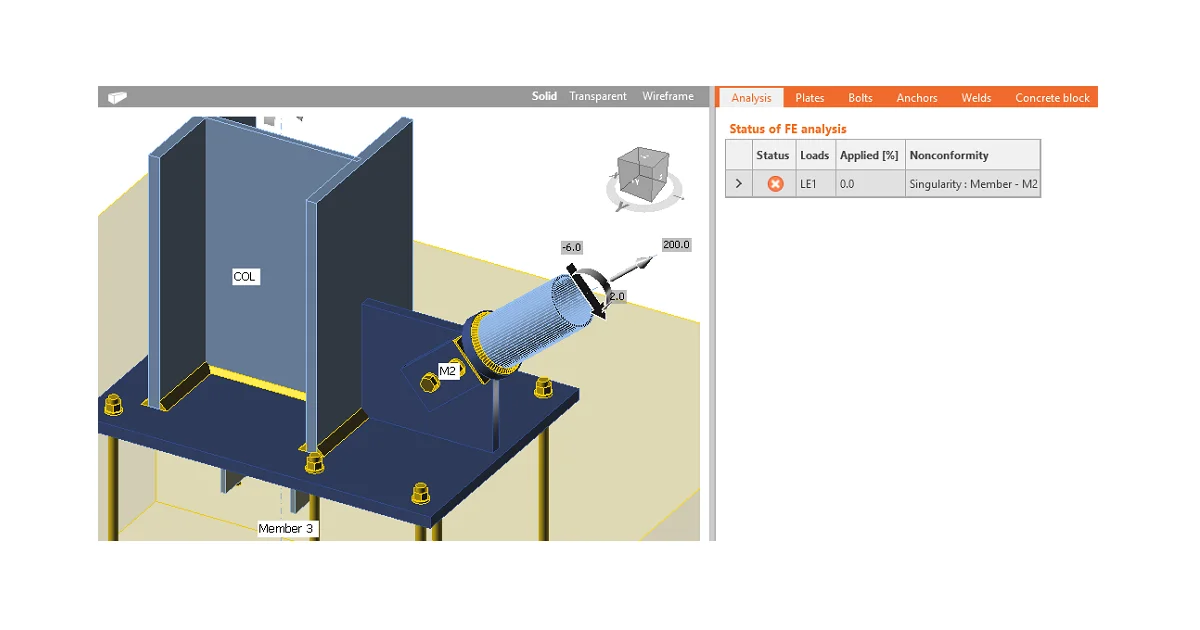
The finite element analysis might not converge due to some element that is not sufficiently supported and can freely move or rotate. Analysis of the structural design of complex welded and bolted steel connections.
  • Steel
  • Connection
  • AISC (USA)
  • AS (Australia)
  • CSA (Canada)
  • EN (Eurocode)
  • IS (India)
  • GB (China)
  • HKG (Hong Kong)
  • CBFEM
  • SP 16 (Russia)
  • +11
  • Steel
  • Connection
  • AISC (USA)
  • AS (Australia)
  • CSA (Canada)
  • EN (Eurocode)
  • IS (India)
  • GB (China)
  • HKG (Hong Kong)
  • CBFEM
  • SP 16 (Russia)

Knowledge base

Analysis convergence of complex steel connection models

Read more
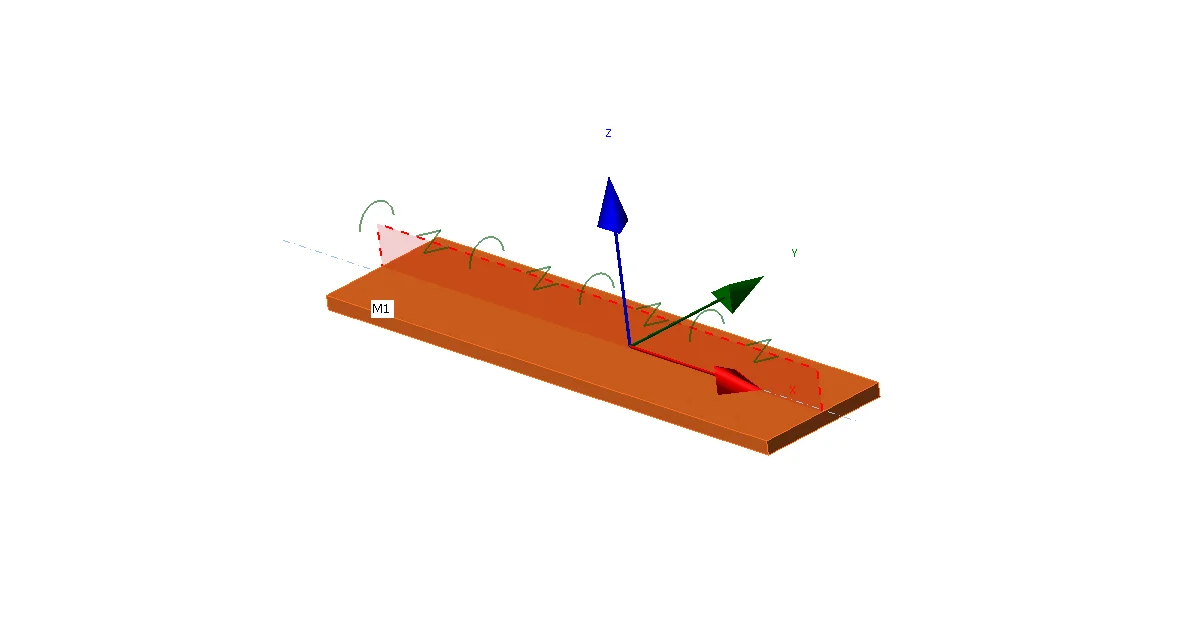
Steel beams are often restrained against buckling by ceilings or cladding. Simulation of such restriction is provided by manufacturing operation Lateral-torsional restraint (LTR) in IDEA StatiCa - a structural engineering design software.
  • Steel
  • Connection
  • Member
  • EN (Eurocode)
  • Plates
  • AISC (USA)
  • +6
  • Steel
  • Connection
  • Member
  • EN (Eurocode)
  • Plates
  • AISC (USA)

Knowledge base

Lateral-torsional restraint in structural design

Read more
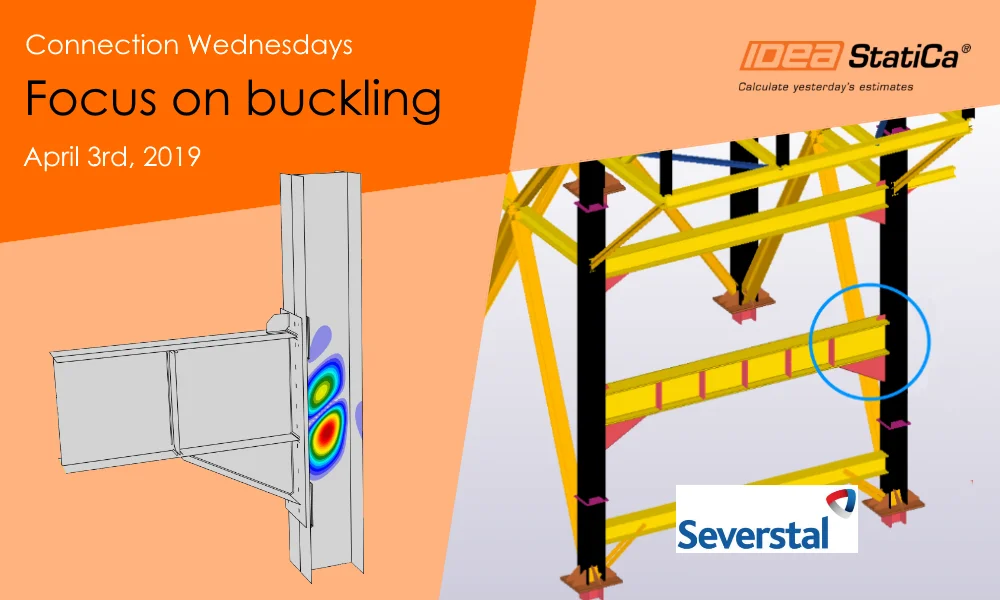
Connection Wednesdays โ€“ Focus on buckling
  • Steel
  • +1
  • Steel

Webinar

Connection Wednesdays โ€“ Focus on buckling

Read more
Thin-walled (cold-formed) members
For thin-walled members, only geometrically nonlinear analysis with imperfections is suitable. Structural design of steel members in structural engineering software.
  • Steel
  • Connection
  • Cross-sections
  • GMNA
  • Buckling
  • +5
  • Steel
  • Connection
  • Cross-sections
  • GMNA
  • Buckling

Knowledge base

Thin-walled (cold-formed) members

Read more