Idea Statica
  • Steel
  • Concrete
  • Support & Learning
  • Pricing
  • Company
  • Steel overview
  • Connection design
  • Member design
  • Parametric design
  • Steel case studies
  • Concrete overview
  • Walls and D-regions
  • Anchoring design
  • Concrete case studies
  • BIM Overview
  • Supported integrations
  • Checkbot
  • Viewer
  • APIs
  • Support Center
  • E-learning & certification
  • Blog
  • Downloads & Licensing
  • Plans
  • Free community tool
  • Enterprise customers
  • Students & educators
  • How much will you save?
  • About us
  • Contact
  • Research & development
  • Authorized resellers
  • Meet our customers
  • Career
  • Steel
    Steel overviewConnection designMember designParametric designSteel case studies
  • Concrete
    Concrete overviewWalls and D-regionsAnchoring designConcrete case studies
  • BIM OverviewSupported integrationsCheckbotViewerAPIs
  • Support & Learning
    Support CenterE-learning & certificationBlogDownloads & Licensing
  • Pricing
    PlansFree community toolEnterprise customersStudents & educatorsHow much will you save?
  • Company
    About usContactResearch & developmentAuthorized resellersMeet our customersCareer
14-Day Trial
14-Day Trial

Subscribe to our newsletter

Company

  • About us
  • Partners
  • Careers
  • Patent

Resources

  • Customer projects
  • Case studies
  • Connection Library
  • Verification books

Legal

  • EULA
  • Privacy policy
  • California Privacy
  • TOS Viewer
  • Licensing

Help

  • Contact
  • Quote request
  • Resellers
  • Downloads
FacebookInstagramLinkedInYouTube

ยฉ IDEA StatiCa 2009-2026

Trusted and used worldwide by engineers, fabricators & consultants.

Support CenterFAQHow do I know that IDEA StatiCa Connection is safe?
How do I know that IDEA StatiCa Connection is safe?
SteelFAQConnectionAISC (USA)Overall check

How do I know that IDEA StatiCa Connection is safe?

This article is also available in
ENCZDEESFRITPTNLHUROKRPLTHTRVIZH

Currently, existing programs are based on a component method which is a perfectly fine solution. But their drawback is that for each topology, a new model has to be put together.

IDEA StatiCa came up with a new method called component-based Finite Element Model, CBFEM which is a synergy of component method and finite element method. We use finite elements to get the stress-strain analysis of the joint and then to apply standard checks like in the component method.
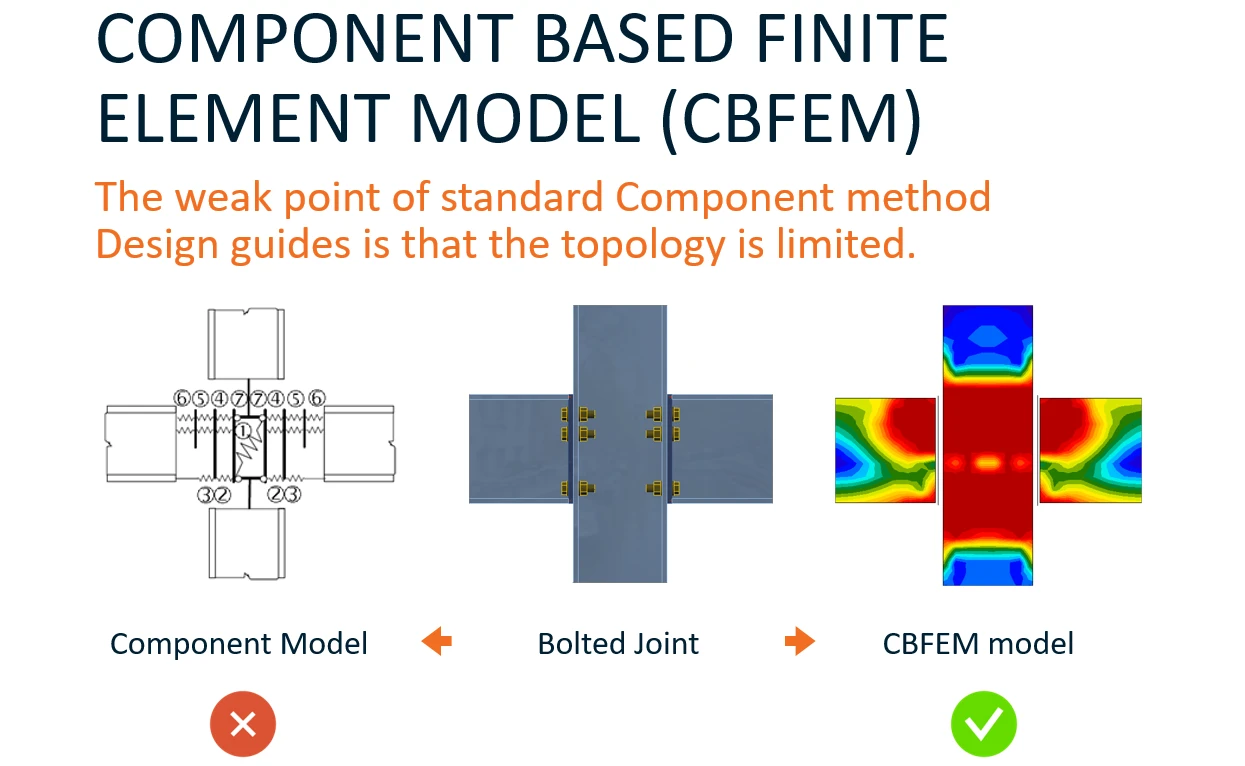
We came with a different approach for steel joint design, that is why we paid special attention to its verification and validation, right from the start for years ago.

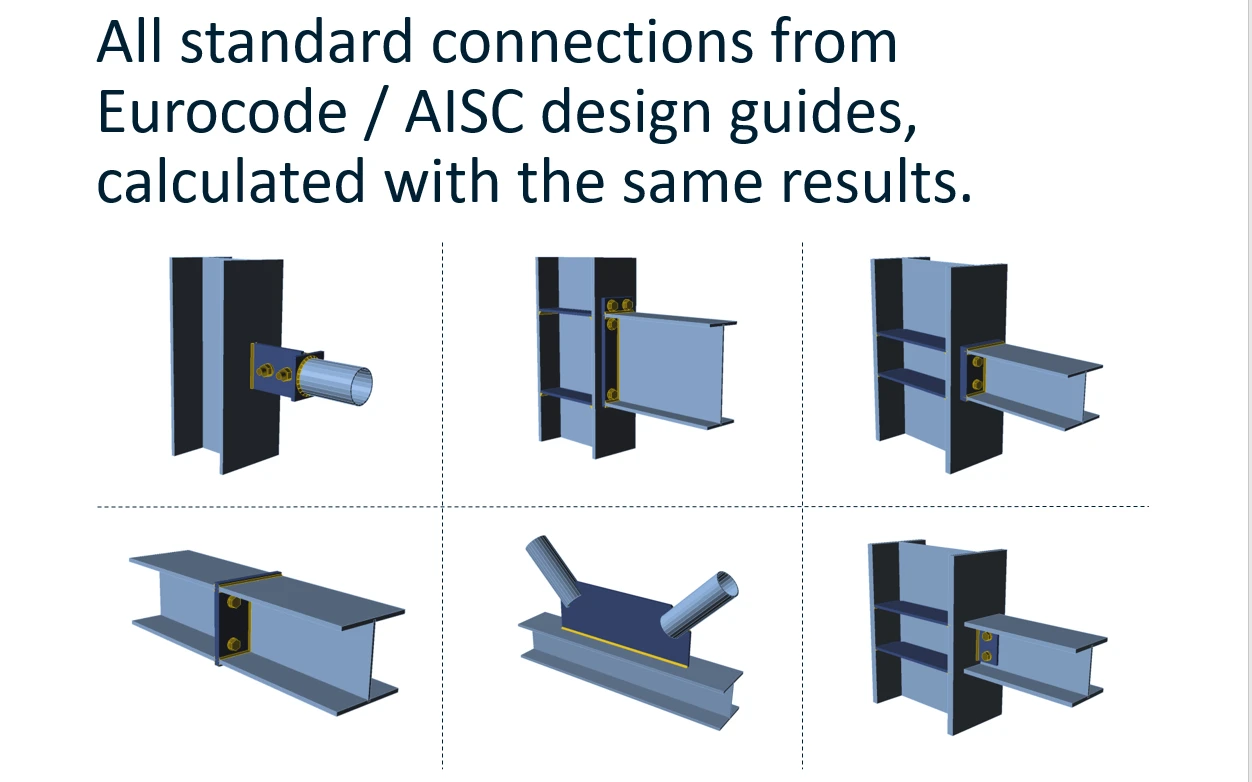
The first level of testing the new software was to take dozens of standard joints from Eurocode and US design guides and calculate them with IDEA StatiCa.
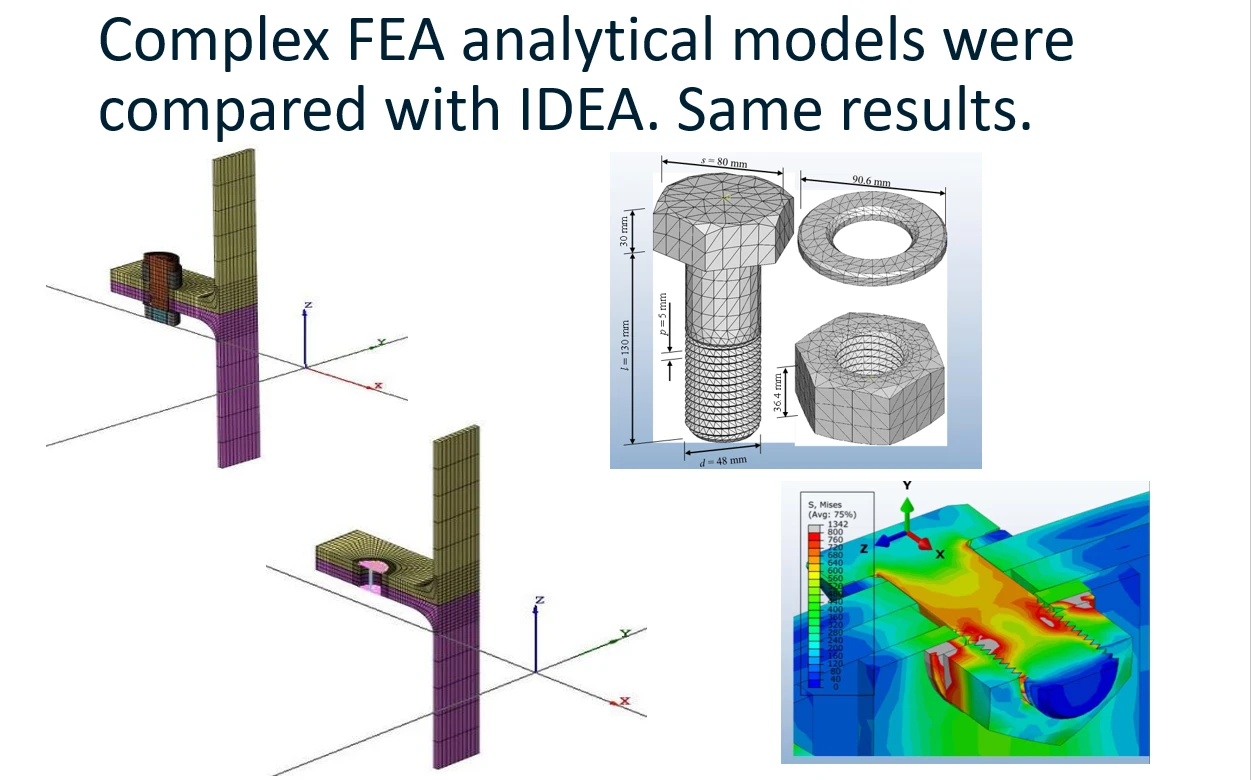
The second level was to laboriously create models in FEA programs and comparing them to results achieved in IDEA StatiCa Connection in minutes.
The third level of testing was live lab tests. Again, the same results. Two university teams spent over 3 years on this.
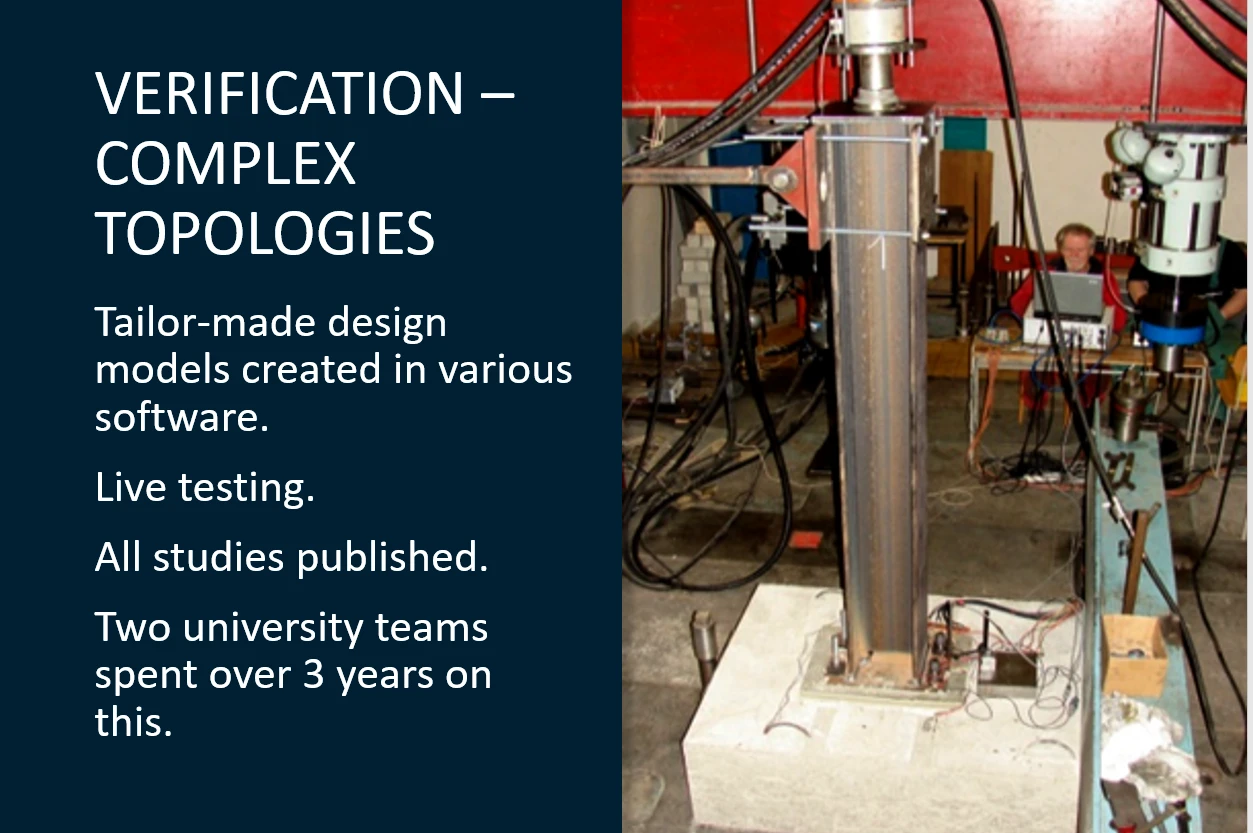
And published it in various articles, benchmark studies, and most importantly, verification book.
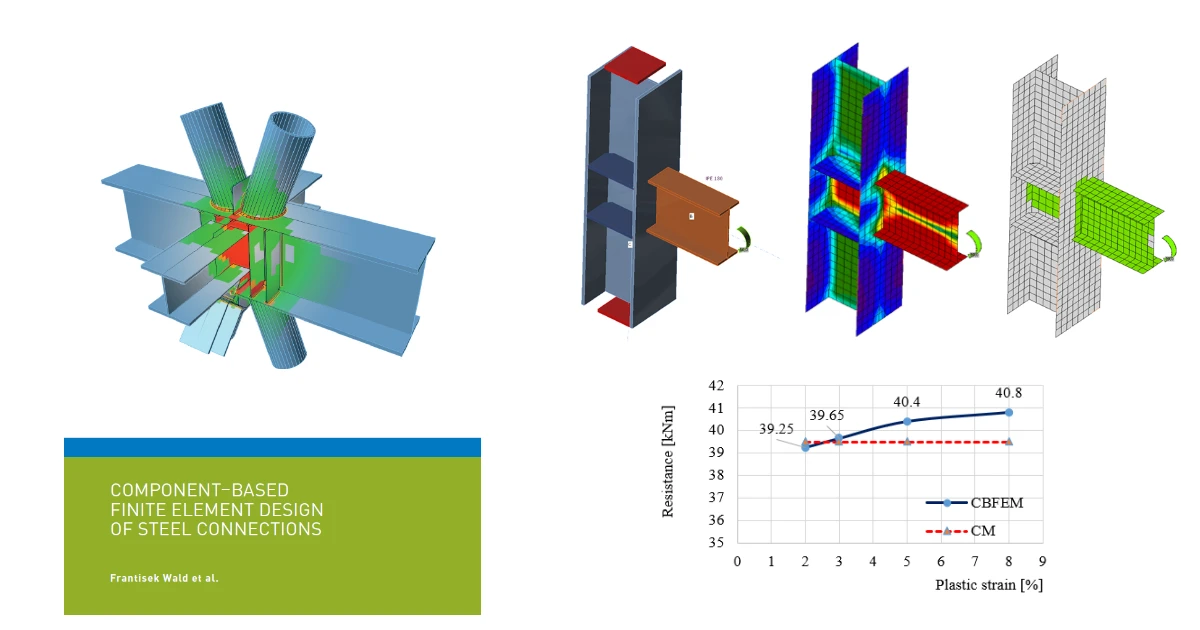
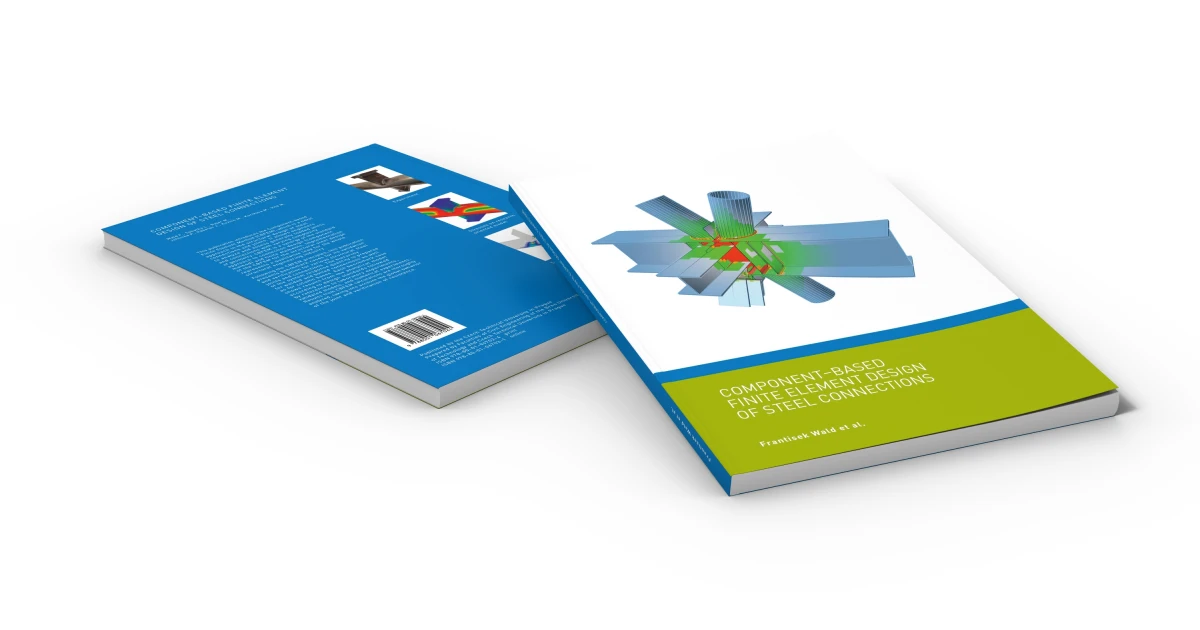
CBFEM book - Component-based finite element design of steel connections

Find out more about the safety and verifications of the CBFEM method.ย